Selling a yacht: a high-risk maritime transaction
Discover why it is essential to use a lawyer when selling or buying a yacht, from the drafting of the contract to the transfer of ownership. Risk analysis, concrete examples, key steps and fiscal aspects to protect your maritime investment.
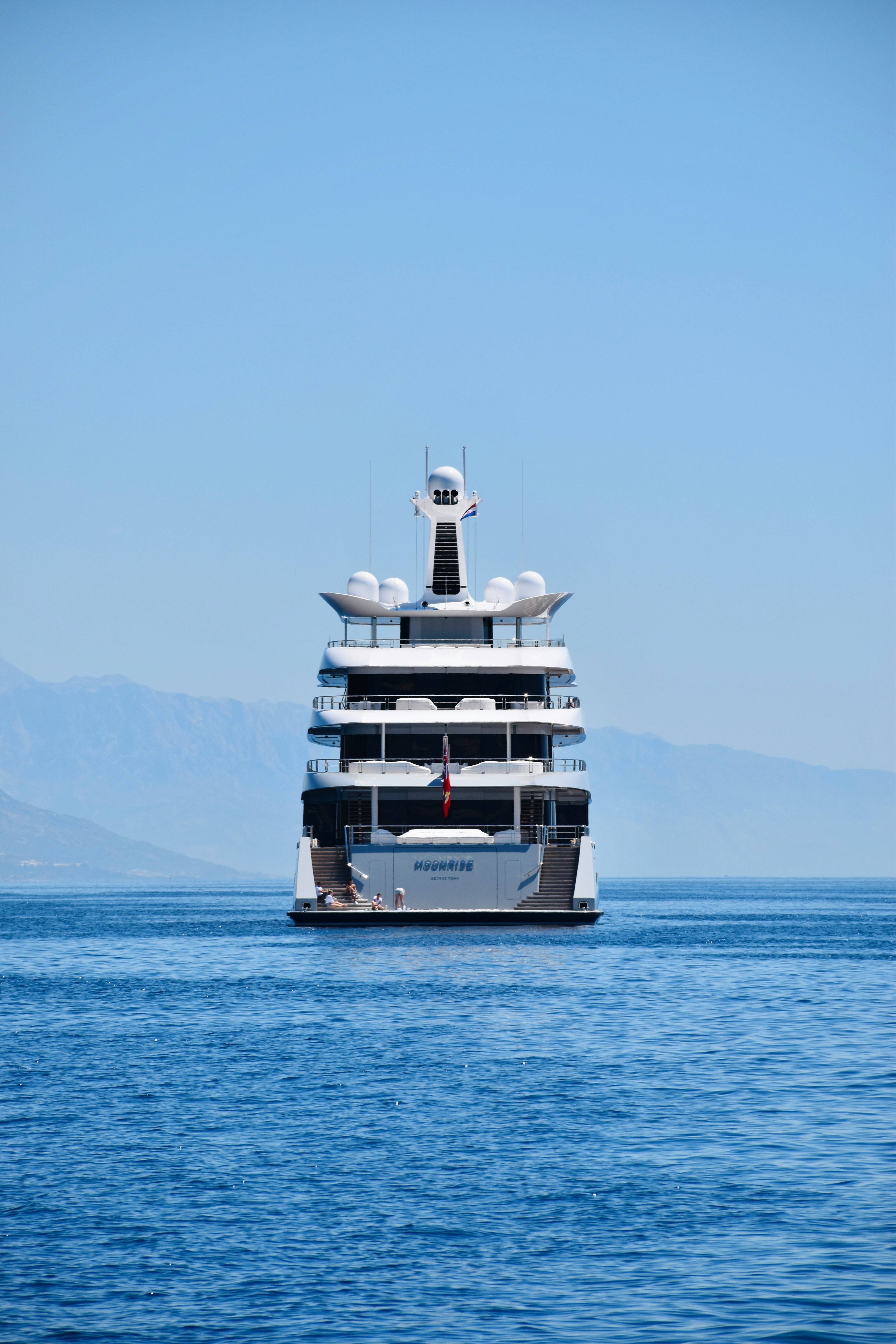
Selling a yacht: a high-risk maritime transaction
La Selling a yacht cannot be improvised. It is a complex legal and financial transaction, at the crossroads of maritime law, of contract law, of tax law and sometimes private international law. The amounts involved often amount to hundreds of thousands or millions of euros. The smallest mistake can lead to a Property dispute, an unpaid mortgage or compliance issues.
One commercial and maritime law lawyer ensures the legal security of your transaction:
- Drafting the sales contract or Memorandum of Agreement (MOA) for international sales.
- Verification of mortgages and maritime liens.
- Support during registration or change of flag.
- Follow-up of administrative formalities after delivery.
Why entrust the sale of your yacht to a lawyer?
The sale of a yacht brings together several actors — seller, buyer, buyer, broker, insurance company — with often divergent interests. The lawyer is the only professional independent responsible for ensuring your legal and financial security.
In particular, it controls:
- The validity of the bill of sale, of the certificate of registration and of the cancellation of a mortgage.
- The liquidation of debts and privileges attached to the ship.
- The compliance of the yacht with flag standards (French or foreign).
- Marine insurance and risk transfer clauses.
The lawyer, the true architect of the contract
Unlike a simple broker, the lawyer Drafts and negotiates the contract to prevent any future litigation. A yacht sales contract must:
- Precisely identify the vessel (name, flag, IMO number).
- Describe its condition, the agreed price and the terms of delivery.
- Clearly define the time of transfer of ownership and risk.
A standard clause may provide that ownership only passes after full payment of the price — which avoids any ambiguity in the event of non-payment or a problem that occurred prior to delivery.
The key steps to a successful yacht sale
1. Legal and technical due diligence
Before signing, a thorough check is essential: absence of mortgage, conformity of the registration certificate, technical and environmental inspection of the yacht.
This step helps avoid costly disputes after the sale.
2. The sales contract
The official act of the Ministry of the Sea is only a basic model. For an important transaction, a custom contract is essential: guarantees, suspensive conditions (sea trial, financing), tax clauses and insurance.
3. The change of ownership
After signature, the transfer must be registered with the Delegation for the Sea and the Coast (DML) within the month.
Required documents: signed bill of sale, supporting documents, payment of duties.
The omission of this formality makes the sale unenforceable against third parties.
Selling a yacht internationally: the rules you need to know
The Memorandum of Agreement (MOA)
For cross-border sales, the MOA (MYBA) sets the essential elements: price, deposit, inspections, applicable law. A lawyer adapts this document to the situation (foreign flag, nationality of the parties, financing jurisdiction).
The Bill of Sale and the Protocol of Delivery
The Bill of Sale officially transfers ownership to the purchaser. The Protocol of Delivery attests to the physical delivery of the ship. These documents must comply with flag law to avoid conflicts of laws.
Financing and taxation: strategic points
Financing options
- Maritime credit : ready for 12 to 180 months.
- Rental with option to buy (LOA) : progressive purchase with fiscal flexibility.
- International leasing : often structured in advantageous jurisdictions.
The lawyer ensures the coherence between financing contract, transfer of ownership and flag law.
Applicable tax rules
The sale of a yacht is generally subject to VAT. Reduced rates or exemptions exist depending on the flag, destination and use of the ship (leisure or commercial charter).
Joint support lawyer/tax specialist is crucial to secure the transaction.
Recurring yacht sales disputes
Hidden defects and seller's liability
The seller is required to guarantee the hidden defects (article 1641 of the Civil Code).
Example: water infiltration or undeclared structural defect. The buyer can take legal action within two years of discovering the defect.
Broker responsibility
The broker is not responsible for hidden defects, except for proven fault — poor verification, lack of information on an offer, etc. The seller's or buyer's lawyer will defend his interests depending on the type of breach.
FAQ: everything you need to know about selling a yacht
What documents are required?
Bill of sale or MOA, registration certificate, mortgage cancellation certificate, compliance certificates and insurance.
When does the transfer of ownership take place?
In principle upon signature of the contract, except for a retention of title clause until full payment.
Can you sell a yacht under a foreign flag?
Yes. Tax, customs, and registration rules depend on the country. The lawyer chooses the most appropriate applicable law.
What to do in the event of a dispute?
An action for warranty, contractual liability or fraud may be initiated. In the presence of an international contract, the jurisdiction clause designates the competent court.
Conclusion: secure the sale of your yacht with a lawyer
La Selling a yacht requires a perfect mastery of maritime law, contracts and international taxation. The support of a specialized lawyer offers you the guarantee of a clear, compliant and legally enforceable transaction at each stage: analysis, drafting, registration and transfer of ownership.
Article written by Guillaume Leclerc, commercial and maritime lawyer in Paris.