
Yacht lawyer in France: sale, purchase, VAT, disputes
Yacht lawyer at the Paris Bar: buying or selling a yacht in France, VAT status, flag, brokers, hidden defects and ship arrest. Calls in English, by video.
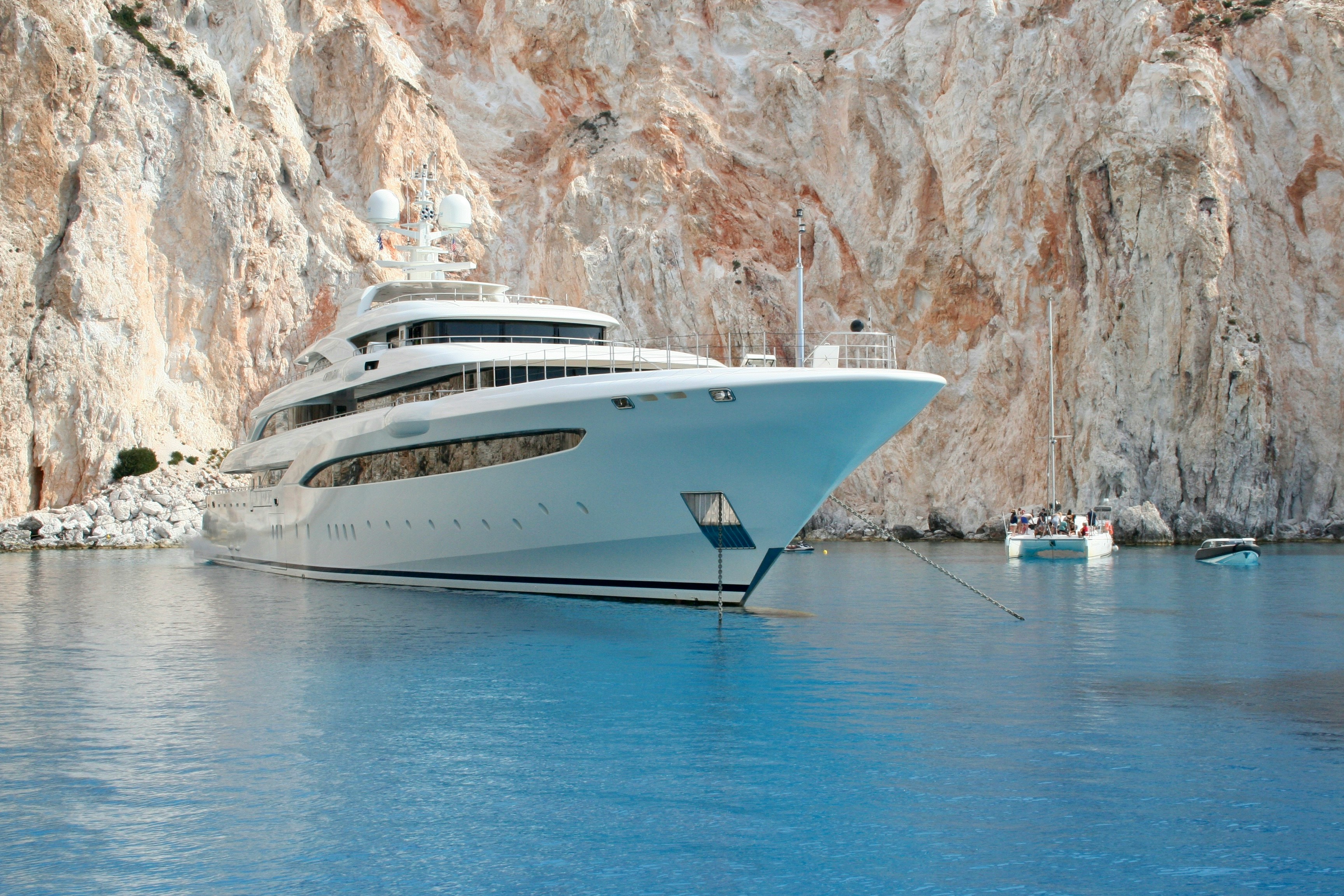
A yacht is an unusual asset, in law and in tax. It is movable property, but it is registered and can carry a maritime mortgage. It has its own VAT status, which follows the vessel from one owner to the next. It may fall under a French annual tax on pleasure craft and under customs rules on import. And it changes hands under contracts (broker agreements, sale agreements, finance leases, warranty exclusions) that are usually drafted in the interest of the other party.
The difficulty is that one purchase touches four areas at once: contract law (warranties, conditions precedent, escrow of the price), maritime law (francisation, flag, mortgage), tax (VAT, status of the vessel, ownership through a company) and sometimes customs (import, temporary admission). Each adviser tends to see one of them. Disputes usually start where they meet, and this is also where the safety of the deal is decided.
Victoris acts throughout the life of the vessel, from the first purchase project to the resale, including financing, use and disputes. A significant part of the firm's work concerns yacht transactions, for clients in France, in Switzerland and elsewhere abroad. Most files are handled by video, with slots adapted to your time zone.
What this approach gives you:
- One adviser for the whole deal: contract, tax, maritime formalities and customs handled together.
- Tax risk dealt with in advance: the VAT position of a yacht and the evidence that supports it (use of the vessel, exemptions) are built before the transaction, not during a tax audit.
- Warning signs recognised early: a broker without a dedicated escrow account, damage that was not disclosed, a clause excluding liability for hidden defects. We have seen these situations before and know how to respond.
- Defence if things go wrong: hidden defects, disputes with a shipyard or a broker, arrest of the vessel, tax reassessment, up to court proceedings if needed.
Would you like to discuss your situation? Book a consultation:
CLICK HERE TO BOOK YOUR ONLINE CONSULTATION
Why foreign owners and buyers call us
Yacht deals in France often involve someone based outside France: a non-resident buyer who has found a boat in a French port, a foreign owner selling a yacht kept in France, a broker whose client does not speak French, or an owner who discovers a defect after the sale and has to deal with a French seller or shipyard. The rules below are the ones that most often surprise them.
- Buying or selling in France as a non-resident. French law requires the transfer of a registered vessel to be made in writing, and a French-flagged yacht can carry a mortgage that ranks by its date of registration. Before any money moves, the register, the VAT evidence and the chain of ownership must be checked, and the price should be held by an independent escrow holder until the documents are delivered.
- Flag. A yacht can fly the French flag only if at least half of it belongs to nationals of the European Union or the European Economic Area, or to companies with their registered office in France (or established elsewhere in the EU or EEA with a permanent establishment in France). A buyer from outside Europe will usually keep or choose another flag. That choice has consequences for VAT, customs and the French annual tax on pleasure craft, which can apply to a foreign-flagged yacht when its owner or user lives in France.
- VAT. The first question in any yacht deal in Europe is whether VAT has been paid on the vessel and whether this can be proven. A yacht registered outside the EU and used privately by a person established outside the EU can stay in EU waters for up to 18 months under temporary admission, without paying import duty or VAT, as long as the conditions are met. Selling it, chartering it or letting an EU resident use it can make VAT and duty due.
- Brokers. A broker usually works for one side and is paid on completion. Check who holds the deposit, on which account and under which conditions it is released.
- Disputes after the sale. Under French law, a buyer has two years from the discovery of a hidden defect to bring a claim. The first survey, the formal notice and the choice of court shape the whole case, and the clause on governing law and jurisdiction in the sale agreement decides where it will be heard.
We explain each step in English, deal with French counterparties and authorities in French, and coordinate with your surveyor, your broker and your advisers in other countries.
Guides in English
Our guides for owners, buyers and sellers of yachts in France.
Buying a yacht
- Buying a Boat in France: The Complete Legal Guide (Contract, Survey, Escrow, VAT)
- Buying a boat in France as a non-resident: the legal and tax steps
- The Boat Sale Contract in France (Acte de Vente): Clauses, 'As-Is' Sales and Seller's Liability
- Yacht brokers in France: escrow, mandates and the duty to advise
- Hidden defects after buying a boat in France: rights
Selling a yacht
- Selling a yacht from Europe to the US: legal and tax guide
- Selling a yacht from France to a buyer outside the EU
- National and international sale of boats and catamarans: the complete legal guide to secure your operations
VAT and tax
- VAT on a Boat in France: Proof of VAT-Paid Status, Imports and Non-EU Owners
- VAT status of a second-hand yacht in the EU: what to check before you buy
- Yacht VAT France and the French yacht tax (TAEMP) in 2027
- Owning a yacht through a company in France: what is deductible
Charter, flag and disputes
Purchase and sale
- Preliminary review of a purchase or sale project: review of the vessel's documents (VAT status, francisation, mortgage, declared damage), review of the draft sale agreement or broker mandate, list of risks and action plan. Fee: fixed fee, agreed in advance.
- Full support for the transaction: drafting or review of the sale agreement and its conditions precedent, escrow of the price, checks before completion, transfer and francisation formalities, support up to closing. Fee: fixed fee depending on the value of the vessel and the complexity of the deal.
- International sale or purchase: coordination of VAT (supplies to another EU country, exports, customers established outside the EU), customs and change of flag. Fee: on quotation.
Financing and tax
- Review and negotiation of a finance lease or a lease with purchase option (crédit-bail, LOA): clauses that depart from ordinary lease rules, VAT rider and reporting commitments, guarantees and termination payments, before you sign. Fee: fixed fee.
- Securing the VAT position: exemptions linked to the use of the vessel or to the customer's status, building the evidence file, and deductibility under Article 39, 4 of the French General Tax Code (Code général des impôts) when a company owns the yacht. Fee: on quotation.
- Ownership structure: direct ownership or operating company, choice of flag, French annual tax on pleasure craft (taxe annuelle sur les engins maritimes à usage personnel). Fee: on quotation.
Disputes
- Hidden defects and non-conformity (Articles 1641 and 1604 of the French Civil Code): survey, formal notice, negotiation, then a warranty claim in court if needed, for buyers and for sellers. Fee: fixed fee per phase.
- Disputes with a shipyard or a broker (new build, refit, broker's duty to advise). Fee: fixed fee per phase.
- Arrest of a vessel (Articles L. 5114-20 et seq. of the French Transport Code; Brussels Convention of 10 May 1952 on the arrest of seagoing ships): arresting a debtor's vessel to secure your claim, or obtaining the release of your own vessel. Fee: on quotation; urgent action possible.
When to call
- You plan to buy a boat or a yacht, new or used: the preliminary review (VAT status, possible maritime mortgage, history of damage, strength of the sale agreement) costs a fraction of the price of the vessel and prevents the most common disputes.
- The broker is pressing you to sign and you see warning signs: no dedicated escrow account, a clause excluding any warranty for hidden defects, old damage mentioned orally but absent from the documents.
- You are selling your yacht, privately or through a broker: the sale agreement and the transfer formalities engage your liability after the sale, in particular for conformity and hidden defects. The buyer's claim must be brought within two years of discovering the defect (Article 1648 of the French Civil Code).
- You are offered a finance lease or a lease with purchase option: the financier remains the owner, the contract departs from ordinary lease rules and the VAT rider often places the tax risk on you. Each clause should be weighed before signature.
- You are thinking of putting the yacht in a company to deduct rent or running costs: Article 39, 4 of the French General Tax Code excludes these costs from deductible expenses unless the company can justify them. In practice this requires a genuine business use of the boat, and the tax authorities check it closely.
- You are buying or selling across borders, within the EU or outside it: VAT, customs, change of flag. A step taken in the wrong order can mean VAT at the French standard rate of 20% of the price.
- You have found a defect after the purchase (osmosis, engine, structure): time starts to run from the discovery, and the quality of the first survey shapes everything that follows.
- Your yacht has been arrested, or you need to arrest your debtor's vessel: the matter is urgent and technical, and it is decided in days.
- You work in the yachting industry (broker, shipyard, charter company): standard contracts, terms and conditions, liability, customer disputes.
Recent cases (anonymised)
Examples given for information only, anonymised and published with the clients' consent. Every file is different: past outcomes do not predict any result.
Case 1 - Purchase of a cruising sailboat by a client established outside the EU
A client resident in Switzerland asked us to handle the purchase of a cruising sailboat in France. Our work: preliminary review of the structure, check of the vessel's VAT status and of the VAT treatment applicable to a customer established outside the EU, review of the sale agreement and its conditions precedent, coordination of the formalities. The purchase was completed within a verified tax framework, entirely by video.
Case 2 - A purchase stopped by the pre-signing checks
A buyer contacted us before signing. The broker had no dedicated escrow account, major past damage appeared in none of the contract documents, and the draft agreement excluded any warranty for hidden defects while putting repairs on the buyer. Our review brought these three points to light and allowed the client to renegotiate the terms before making any commitment.
Frequently asked questions
Do I need a lawyer to buy or sell a yacht in France?
It is not compulsory. But a yacht is not an ordinary piece of movable property: it is registered, it may carry a maritime mortgage that the buyer has to deal with, it has a VAT status that follows it for life, and it is sold under contracts that often reduce the legal warranties. On a deal worth hundreds of thousands of euros or more, the preliminary review costs a fraction of the price and prevents the most common disputes.
What should I check before buying a used yacht in France?
Four things. Legal: who the seller is, whether he can sell, and whether there is a mortgage or an arrest. Tax: the VAT status of the vessel, because a yacht on which VAT was not properly paid exposes the buyer. Technical: an independent survey and the history of damage and insurance claims. Contractual: conditions precedent, escrow of the price, warranties. The order in which these checks are made matters as much as their content.
Is a clause excluding liability for hidden defects valid in France?
Between private parties, it is valid in principle, unless the seller knew of the defect (Article 1643 of the French Civil Code). It rarely protects a professional seller: French courts treat a professional seller as knowing the defects of what he sells, and in a sale by a professional to a consumer, a clause removing or reducing the consumer's right to compensation is prohibited (Article R. 212-1, 6° of the French Consumer Code). The real questions are therefore the seller's actual status and the proof of what he knew. They are settled by surveys and evidence, so the approach should be decided early.
Is a yacht finance lease risky?
It is a useful financing tool if its terms are understood. The financier remains the owner until the purchase option is exercised. The contract departs from ordinary lease rules (maintenance, loss of the vessel). And the VAT rider usually requires regular evidence of use: if it is missing, the VAT reassessment falls on the lessee. Your specific contract is reviewed as part of the preliminary review.
Can my company deduct the cost of a yacht?
As a rule, no. Article 39, 4 of the French General Tax Code excludes from deductible expenses the cost of buying, renting and maintaining yachts and pleasure boats, including depreciation, unless the company can justify them. In practice this means a boat genuinely used for the business, such as chartering or a sailing school. The line between a real business and an arrangement is closely checked, so the structure should be validated before the purchase, not after.
Can I avoid VAT when buying or chartering a yacht?
There is no trick, only specific regimes: a yacht already in free circulation in the EU with VAT paid, exemptions linked to the actual use of the vessel outside EU waters or for commercial navigation, services supplied to customers established outside the EU. Each regime has its conditions and its evidence. Applied wrongly, they are paid back years later with interest and penalties.
How much does your work cost?
The preliminary review of a project or a dispute is a fixed fee agreed in advance, given to you before any commitment. The following steps (support for the transaction, litigation) are charged as a fixed fee or on quotation, depending on the value of the vessel and the complexity of the matter. Nothing is invoiced without your prior agreement on the amount.
Do you work outside Paris and outside France?
Yes, and in this field it is the norm: our clients are all along the French coast, in Switzerland and abroad. Most files are handled by video, with slots adapted to your time zone, and the formalities are coordinated remotely.
Do you work in English?
Yes. Calls, notes and reports can be in English. Exchanges with French authorities and French courts are in French.
About the author
This page was written by Guillaume Leclerc, lawyer at the Paris Bar, SELARL Victoris, 34 avenue des Champs-Élysées, Paris. His practice covers commercial relationships and sales, high-value contracts and yacht transactions, as well as DGCCRF, DDPP and DREETS inspections. Working languages: French and English.
This page sets out a general framework and is not legal advice. The outcome of a file depends on the facts, the available documents and the assessment of the authority or the court.